Over 150 years of elegance and enchantment
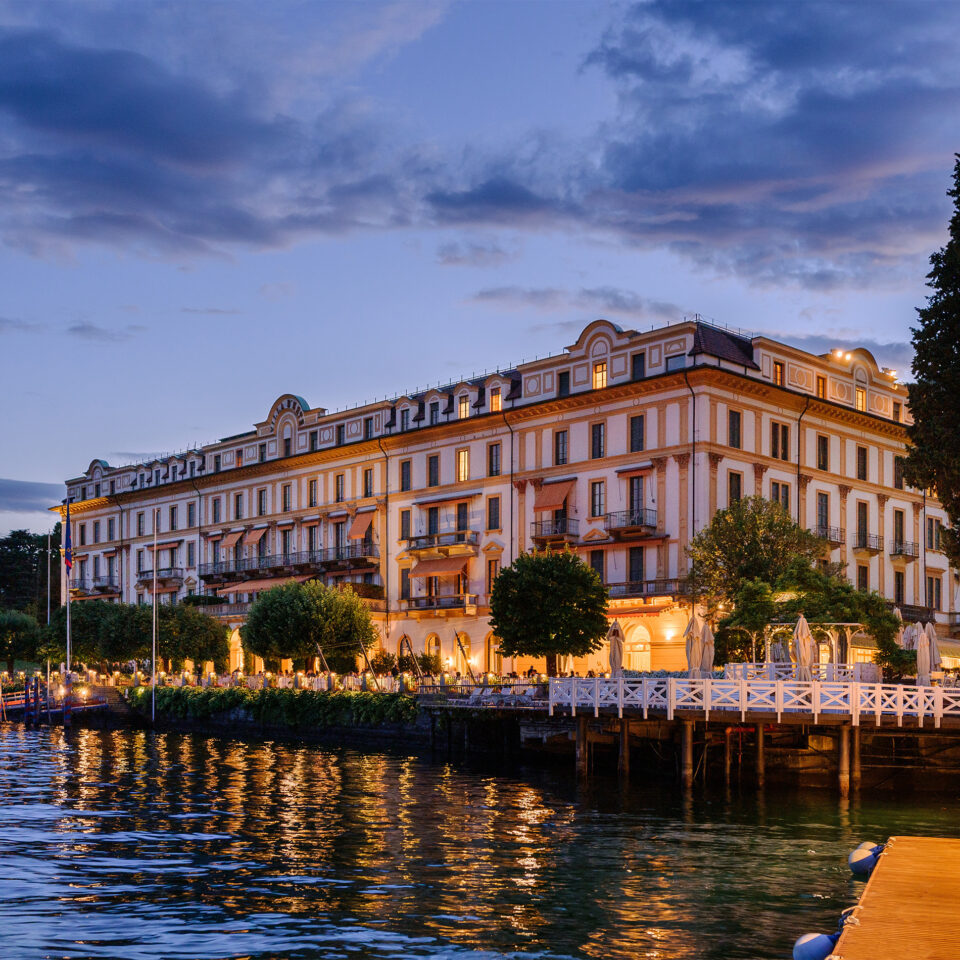
Widely regarded as one of the most exquisite architectural achievements of the Italian Renaissance, Villa d’Este preserves a unique artistic legacy.
Set within ten hectares of parkland — among ancient trees, mythological references and priceless works of art — every detail reflects a vision of elegance destined to endure.

1568
1568
Tolomeo Gallio
Architect Pellegrino Pellegrini, known as “Il Tibaldi”, designs the Villa as a summer residence for Cardinal Tolomeo Gallio, Bishop of Como. He names it “Villa Garovo”, after the stream that flows nearby.

1608
1608
The Gallio Family
Following the Cardinal’s death, the Villa remains in the Gallio family for nearly two centuries.

1782
1782
Bartolomeo Calderara
The last of the Gallio line sells the property to Count Ruggero Marliani. It later passes into the hands of Marquis Bartolomeo Calderara.

1806
1806
Vittoria Peluso
Upon the Marquis’ death, the Villa is inherited by his wife, Vittoria Peluso — known as “La Pelusina” — a former ballerina of La Scala.
She marries Count Domenico Pino, a Napoleonic general, and commissions playful mock fortresses in the park to amuse her husband, fearing he might pine for the thrill of battle.

1815
1815
Princess of Wales
Caroline of Brunswick, Princess of Wales and future Queen of England, acquires the Villa and renames it “New Villa d’Este” — later simply “Villa d’Este”.
Under her ownership, the estate enters a golden age.

1820
1820
Prince Torlonia
Due to her lavish lifestyle, the Princess falls into debt with her banker, Prince Torlonia, who becomes the new owner.
After a period of neglect, the property passes first to Prince Domenico Orsini, and then to Baron Ciani.

1856
1856
Baron Ciani
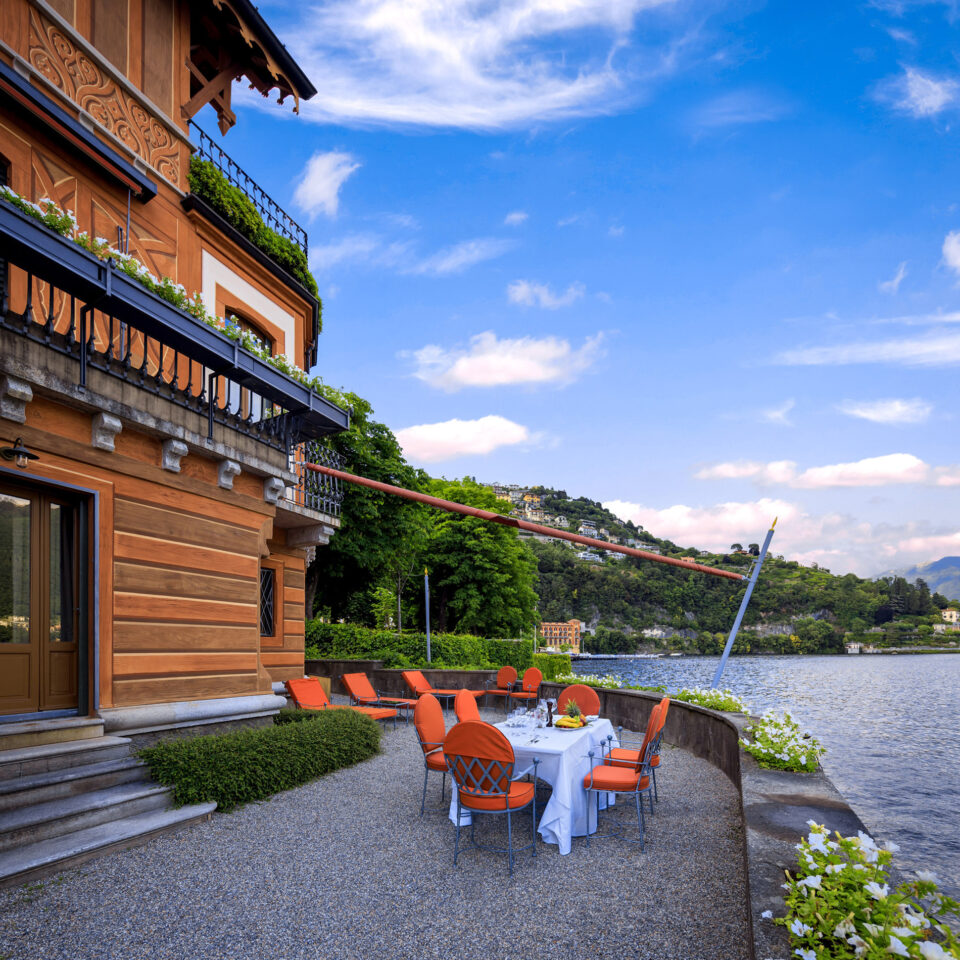
Baron Ciani constructs the Queen’s Pavilion in honour of Caroline of Brunswick, naming it “Hotel de la Reine d’Angleterre”.
He is succeeded by Empress Maria Feodorovna of Russia.

1873
1873
A Luxury Hotel
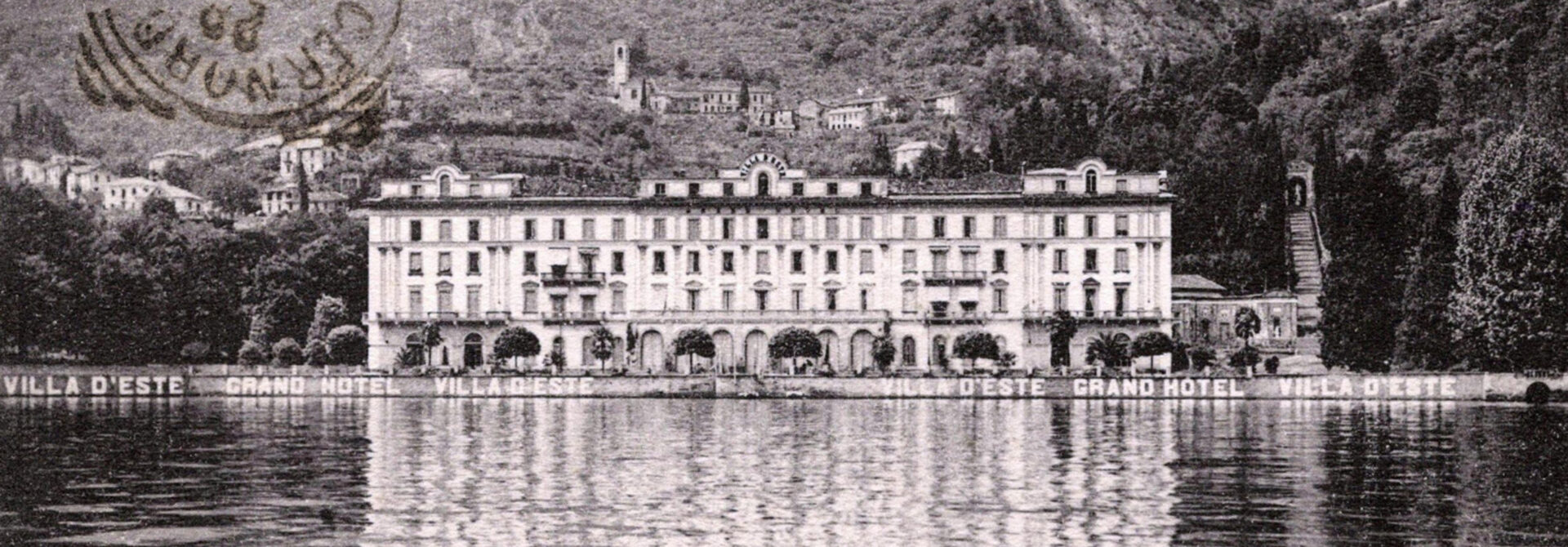
A group of wealthy Milanese entrepreneurs acquires Villa d’Este and transforms it into a luxury hotel.

1913
1913
The Park
Villa d’Este and its ten-hectare park are designated a National Monument by the Italian Heritage Authority.

1966
1966
Sporting Club
The Sporting Club is inaugurated, along with the floating swimming pool — the first of its kind on Lake Como.

1999
1999
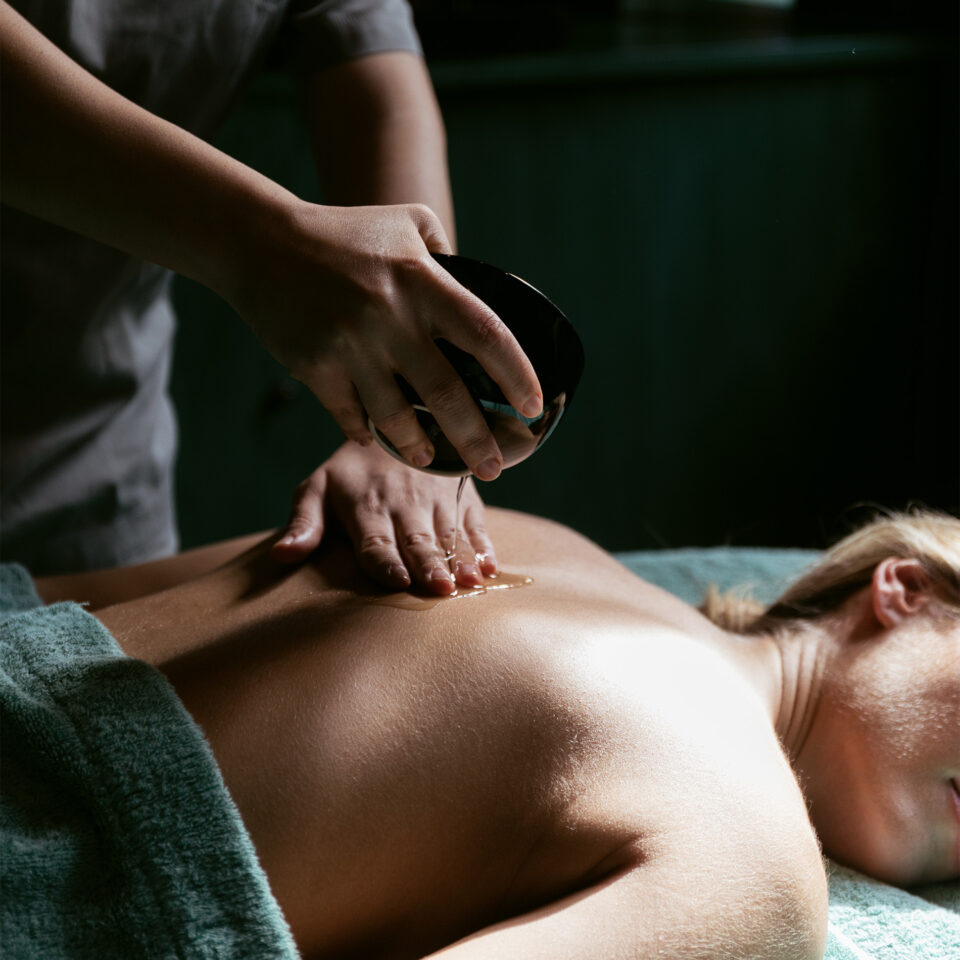
Opening of the Beauty Center
The Beauty Centre opens, followed the next year by the mosaic-lined corridor connecting it to the Sporting Club and the Cardinal’s Building.
In the same year, the Group acquires the Florentine property, Villa La Massa.

2000
2000
A New Millennium
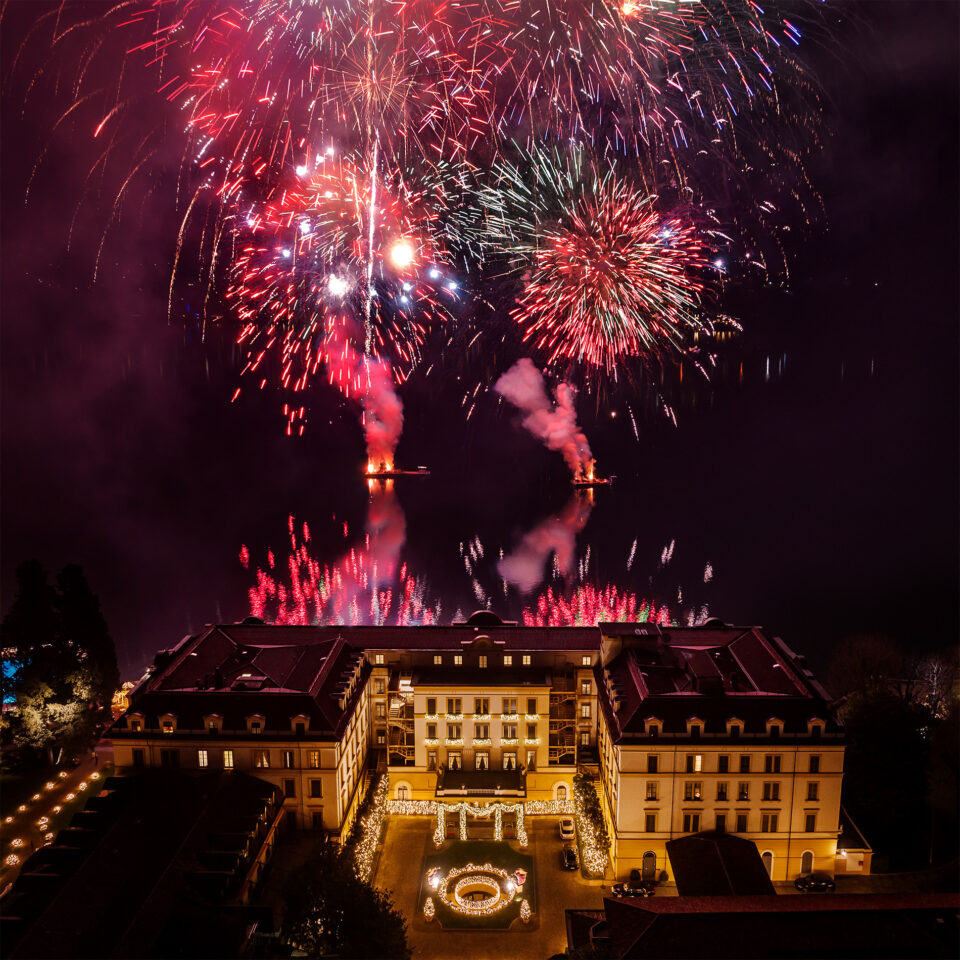
Villa d’Este opens exceptionally over the festive season to celebrate the turn of the millennium with grand gala dinners, masquerade balls and lavish performances.

2022
2022
150 Seasons
Villa d’Este celebrates its 150th season with a series of special events and a rare winter opening, extending through to January 2023.


More than a hotel, a destination
Born as a noble estate in the 16th century, Villa d’Este is now a global icon of hospitality. Its gardens, architecture and stories offer a captivating journey through five centuries of history and refined living.