

Beyond the Lake: Journeys through art and culture
Beyond the serenity of the lake, Como and its surroundings reveal a timeless heritage of architecture and culture.
From the majestic cathedral to ancient walls, museums and Romanesque basilicas, every step unveils the richness of a land with a character all its own.
Como
A city of ancient walls and refined elegance, Como is home to treasures of art and architecture that span centuries. From its majestic Gothic cathedral to the rationalist geometry of the Casa del Fascio, every corner tells a story. Strolling through its streets reveals the true soul of the lake.

Como Cathedral
The last Gothic cathedral built in Lombardy, construction began in 1396, ten years after the Milan Cathedral. Over the 350 years required for completion, multiple styles emerged, yet its prevailing character is late Gothic-Renaissance. The original design is attributed to Lorenzo degli Spazzi from Intelvi, later reworked by Pietro da Breggio and other artists.
Inside, three naves are divided by ten cruciform pillars with pointed arches and ribbed vaults.
Among the many artworks: 16th-century tapestries, paintings by Gaudenzio Ferrari, Bernardino Luini and Morazzone, sacristy frescoes from the 17th century, and sculptures by the Rodari brothers.
The dome was designed by Filippo Juvarra (1687–1736), architect to the King of Sardinia. The stained glass windows, from the 19th century, were created by Giuseppe and Pompeo Bertini.

Silk Museum
Opened in 1990, the museum celebrates Como’s centuries-old silk tradition — a thread that links past and present in one of the world’s leading silk capitals.
Visitors can explore the delicate process behind this remarkable material, from silkworm cultivation to fabric finishing.
The museum features antique and modern tools: hand and mechanical looms, spindles, dye collections, punch clocks and print cylinders. A jewel of the city’s museum network, it offers an unparalleled insight into the noble art of silk production.
Milan
Italy’s capital of fashion and design, Milan is a crossroads of tradition and innovation. From the soaring cathedral to da Vinci’s Last Supper, the city unfolds as a journey through time, style and creativity. Its galleries and boutiques reflect a metropolis in constant cultural motion.

The Last Supper of Leonardo da Vinci
Housed in the Dominican convent of Santa Maria delle Grazie, Leonardo da Vinci’s Last Supper is one of the world’s most admired and replicated masterpieces. Painted between 1494 and 1498, the mural underwent a 20-year restoration completed in 1999, recovering much of its original palette.

Teatro alla Scala
Designed by Giuseppe Piermarini, La Scala was inaugurated on 3 August 1778 with L’Europa Riconosciuta by Antonio Salieri.
It was the world’s first opera house to feature electric lighting. Severely damaged during WWII, it was later faithfully rebuilt.
For over two centuries, La Scala has been a temple to the operatic arts, premiering masterpieces such as Otello and Falstaff by Verdi, Turandot by Puccini and Mefistofele by Boito.
After a 28-month restoration, the theatre reopened on 7 December 2004 — with the same opera that graced its original debut.

The Leonardo da Vinci National Museum of Science and Technology
Housed in a former Olivetan monastery dating to the early 1500s, this 40,000 m² space is Italy’s largest science and technology museum.
Its collection of over 10,000 artefacts traces human innovation and explores the relationship between man and machine, beginning with Leonardo da Vinci.
Today, the museum is a hub of research, preservation and cultural exchange, hosting guided tours, interactive labs, exhibitions, performances, lectures and events — a vibrant meeting point for institutions, companies and citizens alike.
Lugano
Nestled on the shores of its namesake lake, Lugano combines Swiss charm with Italian grace.
Parco Ciani, with its shaded paths and flowering gardens, offers a peaceful retreat, while museums and cafés throughout the city create a refined interplay of culture and nature.

LAC Lugano Arte e Cultura
The city’s cultural centre dedicated to the visual arts, music and performance. LAC aspires to become one of Switzerland’s leading cultural venues, expressing Lugano’s identity as a crossroads between northern and southern Europe and showcasing a rich and evolving artistic offering.
A land of wonders, waiting to be discovered

Where History resides in beauty
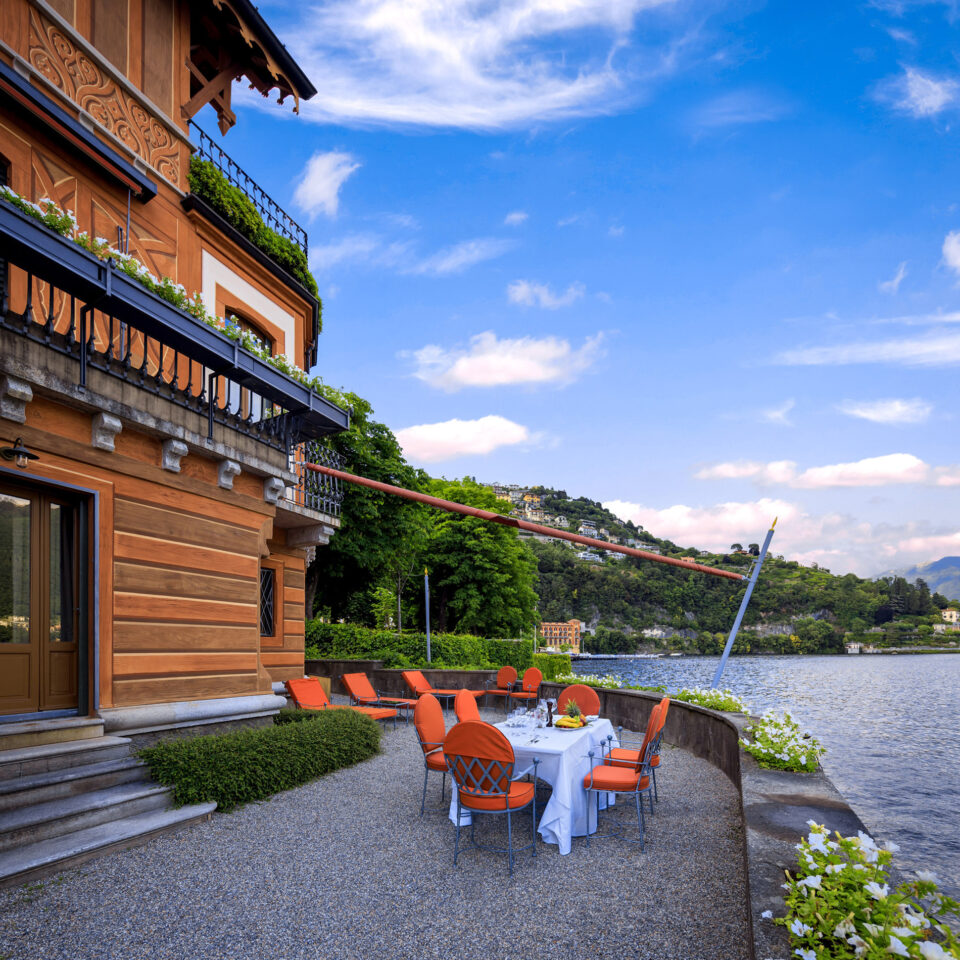
Lake Como is framed by iconic villas nestled in luxuriant gardens and gazing over vistas that once stirred the hearts of poets and travellers.

The most romantic Lake
Lake Como is a jewel of beauty cradled by the Lombard mountains. With its iconic shape and dramatic, winding shores, it shelters timeless villages, noble villas and historic gardens. A haven of serenity and splendour.


More than a hotel, a destination
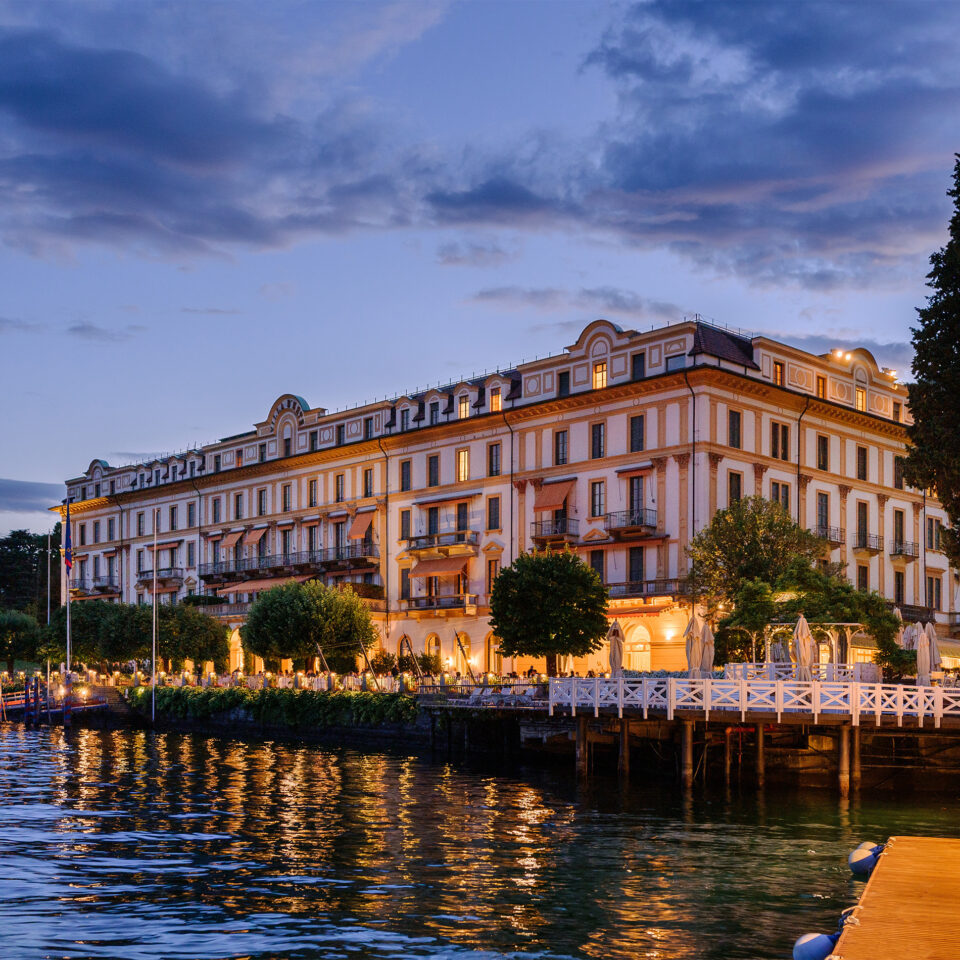
Born as a noble estate in the 16th century, Villa d’Este is now a global icon of hospitality. Its gardens, architecture and stories offer a captivating journey through five centuries of history and refined living.